If you’ve been dealing with chronic muscle tightness, lingering stiffness after workouts, or recovery that feels slower than it should, you’ve probably come across the term “Graston Technique” in your search for relief. Whether you’re an athlete pushing through overuse injuries or someone just trying to move better during daily activities, understanding what this therapy actually does—and whether you can replicate some of its benefits at home—matters.
This guide breaks down everything active people want to know: how Graston works, what the research actually says, safety considerations, and how at-home muscle scraping tools like Sidekick compare to clinical treatment.
What Is the Graston Technique? (Quick Answer for Pain & Recovery Seekers)
The Graston Technique is a branded form of instrument assisted soft tissue mobilization (IASTM) developed in the early 1990s by David Graston, an athlete who was searching for better ways to recover from a knee injury. It uses specially designed stainless steel instruments with beveled edges to apply scraping-style strokes over the skin, targeting tight muscles, fascia, and scar tissue with the goal of reducing pain and improving mobility.
In simple terms, practitioners glide these tools along your skin to detect and treat soft tissue restrictions—areas where connective tissue has become thickened, fibrotic, or disorganized. The technique is commonly used by physical therapists, chiropractors, and other healthcare professionals to help patients recover from injury, surgery, or chronic movement limitations.
Here’s something important to understand early: “Graston Technique®” is a trademarked clinical system, not a generic term for all scraping or IASTM therapies. When you see the name, it refers specifically to this branded method with proprietary graston technique instruments and certified training protocols.
I’m writing this as an experienced sports recovery reviewer and athlete educator—not a clinician. My focus is on what active people actually want to know: effectiveness, safety, realistic expectations, and whether there are practical at-home options worth considering.
Why do people search for Graston?
- Chronic muscle tightness that stretching alone doesn’t fix
- Sports overuse injuries like tendinopathies
- Lingering stiffness after intense training sessions
- Slower recovery than expected
- Interest in faster, more convenient pain relief
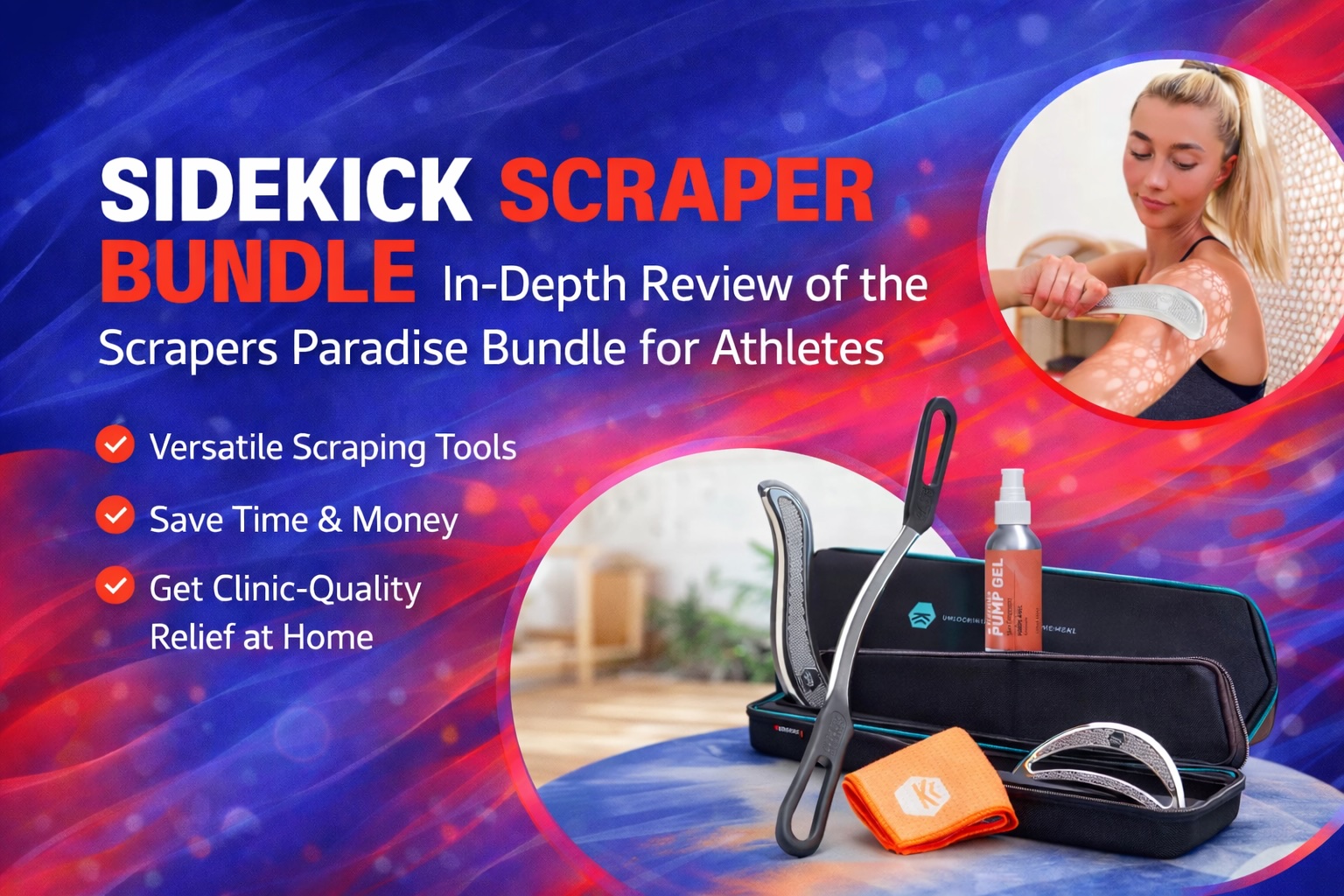
The reality is that in-clinic Graston therapy is one option for addressing these issues. At-home IASTM tools like Sidekick scraping tools represent another approach—designed for athletes who want to incorporate muscle scraping into their recovery routine without the cost and scheduling constraints of regular clinic visits. To be clear, Sidekick is not official Graston equipment, but rather an at-home muscle scraping alternative built for self-use.
By the end of this guide, you’ll have clear answers to key questions: Does Graston work? Is it dangerous? What does the research say? And can you do something similar safely at home?
How Graston Technique & IASTM Actually Work
Graston Technique is a specific, branded type of IASTM. The acronym stands for Instrument-Assisted Soft Tissue Mobilization, a category of manual therapy used in rehab clinics worldwide. Manipulative physiol ther and manipulative physiotherapy techniques are also considered part of this broader category, utilizing various tools and methods to address musculoskeletal injuries. While Graston is the most recognized name, the underlying concept—using tools to manipulate soft tissue—extends across multiple systems and approaches. These techniques are widely used in sports phys ther and musculoskeletal rehabilitation settings.
What a Typical Treatment Looks Like
A standard Graston session follows a predictable pattern:
- Warm-up: Brief cardiovascular activity (bike, treadmill) or dynamic movement to increase tissue temperature
- Preparation: Application of lotion or emollient for smooth gliding
- Instrument work: Clinician uses stainless steel instruments to glide, sweep, and “scrape” along muscles, tendons, and fascial planes
- Follow-up: Stretching exercises, strengthening work, or movement retraining
Sessions typically last 15-20 minutes, with the actual instrument work occupying a portion of that time.
The Basic Mechanisms
The therapy works through several interconnected pathways:
- Mechanical stimulation: The scraping action separates and breaks down collagen cross-links, splaying and stretching connective tissue fibers
- Pain modulation: Stimulation of mechanoreceptors in the skin and underlying tissue can alter how the nervous system processes pain signals
- Increased blood flow: Local circulation improves, bringing oxygen and nutrients that promote healing
- Cellular activation: Fibroblasts and mast cells become more active, potentially supporting collagen synthesis and tissue remodeling
- Histamine response: Localized inflammation can jumpstart the healing cascade in chronically stalled tissue
What the Evidence Shows
Current research supports short-term improvements in pain relief and range of motion for various musculoskeletal issues. The acute effects are fairly well-documented, with clinical studies and systematic reviews published in sources such as med sci sports exerc and j manipulative physiol ther supporting these findings. However, long-term or condition-specific benefits vary considerably based on diagnosis, exercise adherence, and the overall rehabilitation program.
Most clinical protocols combine Graston or IASTM with corrective exercises, progressive loading programs, and mobility work. Research by Kim J and colleagues has explored the effectiveness and mechanisms of IASTM, highlighting the importance of combining these techniques with exercise. Mechanistic studies, including rat tendon morphologic research, provide additional evidence for the effects of instrument-assisted soft tissue mobilization on tissue structure and healing. This combination likely matters more than the scraping alone—it’s rarely used as a standalone treatment in evidence-based settings.
Research continues to emerge, including systematic review studies through the mid-2020s. The overall consensus: Graston and IASTM represent useful tools among many in a comprehensive approach, not miracle cures that work in isolation. The technique uses a series of precise strokes with the Graston instruments combined with specific exercises to optimize tissue healing and function.
Quick definitions: Fascia is the web of connective tissue surrounding muscles and organs. Adhesions are areas where tissue has become stuck or restricted. Mechanoreceptors are sensory neurons that respond to mechanical pressure and help regulate pain and movement awareness.
Goals, Indications, and Who Typically Uses Graston Therapy
The primary goals of Graston therapy are straightforward: reduce pain enough to move better, improve range of motion, and support tissue remodeling so that progressive exercise becomes tolerable. It’s essentially about creating a window of opportunity for active rehabilitation to work more effectively.
Common Indications
In sports and orthopedic settings, clinicians typically consider Graston for:
| Condition Category | Examples |
|---|---|
| Tendinopathies | Achilles, patellar, rotator cuff, lateral elbow |
| Plantar issues | Plantar heel pain, foot tightness |
| Shoulder problems | Posterior shoulder stiffness in overhead athletes, frozen shoulder |
| Post-surgical stiffness | Once cleared by surgeon, to address mobility limitations |
| Chronic myofascial issues | Persistent trigger areas, IT band restrictions |
| Overuse injuries | Carpal tunnel syndrome-related tightness, shin splints |
Ligaments are also commonly treated with Graston technique. Injuries to ligaments, such as tears or strains, can cause significant pain and movement difficulties, and Graston can aid in healing these tissues.
The technique is generally considered when there’s evidence of “failed healing” or disorganized collagen rather than acute, fresh trauma or unstable injuries. It’s about addressing tissue that hasn’t remodeled properly on its own.
Who Performs Graston?
Several types of providers are trained in this specialized form of IASTM:
- Physical therapists
- Chiropractors
- Occupational therapists
- Athletic trainers
- Some osteopathic physicians
- Select massage therapists with formal IASTM training
Certification requires over 25 hours of training and ongoing education, which is why not every practitioner offers this specific technique.
Treatment Plan Expectations
Graston is rarely a one-and-done therapy. Typical treatment plans include:
- 1-2 sessions per week for several weeks
- Integration into a broader rehab program
- Home exercises prescribed between visits
- Periodic reassessment of progress
Realistic expectations: Most patients who respond do so gradually over several sessions, with incremental reductions in pain and stiffness. If someone promises instant, permanent fixes from a single session, that’s a red flag.
The best clinicians assess movement, strength, and lifestyle factors rather than just scraping the painful spot. They should ask about your training load, sleep, stress, and what you’ve already tried. Look for providers who treat the whole picture, not just the symptom.
Benefits and Limitations: Does Graston Technique Really Work?
This is the question everyone wants answered. The honest, evidence-based summary: clinical studies and systematic reviews show short-term improvements in pain and range of motion for various musculoskeletal issues, but study quality and consistency vary considerably.
When Benefits Are Most Convincing
Research and clinical experience suggest Graston and IASTM work best when:
- Paired with progressive loading (eccentric exercises, heavy-slow resistance training)
- Combined with movement retraining
- Applied to chronic overuse injuries and tendinopathies
- Used as part of a comprehensive initial evaluation and treatment plan
The combination matters. Scraping alone, without addressing strength deficits or movement dysfunction, tends to produce temporary results.
What Athletes Often Report
Beyond the research, here’s what active people frequently describe after effective treatment:
- Feeling “looser” and more mobile
- Improved warm-up quality before training
- Better tolerance to training loads
- Fewer “pinching” or catching sensations in specific movements
- Reduced muscle pain during activity
These subjective improvements often translate to meaningful changes in function and training capacity.
The Limitations
Not everyone responds to Graston therapy. Important caveats include:
- Some conditions (advanced structural joint degeneration, severe arthritis) may see limited change
- Results can be short-lived if underlying strength or movement issues aren’t addressed
- Individual variation in response is significant
- Morphologic and functional changes in tissue take time—weeks, not minutes
Existing research does not support claims that Graston alone permanently “breaks up” massive scar tissue or completely reverses chronic conditions. What it likely does is modulate symptoms, improve function temporarily, and create better conditions for progressive loading and exercise to take effect.
A Realistic Example
Consider midportion Achilles pain in a recreational runner. A typical improvement timeline might look like:
- Weeks 1-2: Modest pain reduction, slightly better morning stiffness
- Weeks 3-4: Noticeable improvement in tolerance to walking and light jogging
- Weeks 6-8: Return to running with proper load management, continued home exercises
This isn’t magic—it’s gradual progress supported by combined treatment options including IASTM, calf strengthening, and smart training modifications.
Be wary of practitioners promising guaranteed cures, rapid “scar tissue removal,” or dramatic transformations without a full rehab approach. Effective treatment requires more than scraping.
Is the Graston Technique Dangerous? Safety, Bruising, and When to Avoid It
For most healthy individuals, clinician-performed Graston is generally considered safe when applied by trained providers following standard precautions. The technique has been used on thousands of patients across sports and orthopedic settings without major safety concerns when performed correctly.
Normal, Expected Side Effects
After a Graston session, you might experience:
- Mild redness in the treated area
- Warmth and increased skin temperature
- Short-lived soreness (similar to post-workout muscle tenderness)
- Light petechiae (small red spots) that resolve in a few days
- Occasional superficial bruising
These responses are typically signs of increased blood flow and tissue stimulation, not injury.
Contraindications and Red Flags
There are situations where Graston should be avoided or significantly modified:
| Avoid Graston When | Reason |
|---|---|
| Active infection in the area | Risk of spreading infection |
| Open wounds or skin breakdown | Direct tissue damage risk |
| Unhealed fractures | Potential injury to healing bone |
| History of blood clots in the area | Risk of dislodging clot |
| Bleeding disorders | Excessive bruising/bleeding |
| Strong blood thinner use | Uncontrolled bleeding risk |
| Uncontrolled high blood pressure | Vascular concerns |
| Recent surgery without clearance | Disruption of healing tissue |
Additionally, techniques should be modified for individuals with very fragile skin, diabetes-related neuropathy, or impaired sensation where pain feedback is unreliable.
What’s NOT Normal
Intense, dark bruising covering large areas or severe soreness lasting several days is not the goal of proper Graston therapy. These signs may indicate:
- Overly aggressive treatment
- Poor technique or excessive pressure
- Treating someone who shouldn’t receive the therapy
If you experience sharp, burning, or intolerable pain during treatment, speak up immediately. Ask your clinician how they screen for contraindications and how they decide on appropriate pressure levels.
Myth-Busting
Correctly applied Graston is not supposed to “break bones,” “shatter” tissues, or leave your skin looking severely beaten. The controlled microtrauma theory involves gentle tissue reorganization, not violent destruction. If your treatment leaves you looking like you were in an accident, something is wrong with the approach—not the technique itself.
Can You Do Graston on Yourself? At‑Home Muscle Scraping vs. In‑Clinic Therapy
Let’s be clear: official Graston Technique® is a clinical system performed with proprietary tools and certified training. Self-applying true Graston at home isn’t what the method was designed for, and the company doesn’t endorse it.
The Risks of DIY with Random Objects
Attempting to replicate clinical IASTM with household items creates several problems:
- Poor ergonomics: Spoons, butter knives, and coins weren’t designed for body contours
- Uneven edges: Sharp or inconsistent surfaces can irritate or damage skin
- Excessive pressure: Without training, it’s easy to apply too much force
- No contraindication screening: You might treat areas that shouldn’t be scraped
- Inability to monitor depth: Sensing tissue changes requires specific training
These risks don’t mean at-home muscle scraping is impossible—it just needs to be approached differently than clinical treatment.
Two Different Concepts
Understanding the distinction matters:
- Medical IASTM in clinic: Includes diagnostic reasoning, professional assessment, integration with treatment plans, and treating patients with specific pathology
- At-home muscle scraping: Should be gentler, more conservative, focused on comfort and general recovery rather than aggressively “breaking up” tissue
The second approach is where purpose-built tools designed for self-use become valuable.
Sidekick Scraping Tools: Built for Self-Use
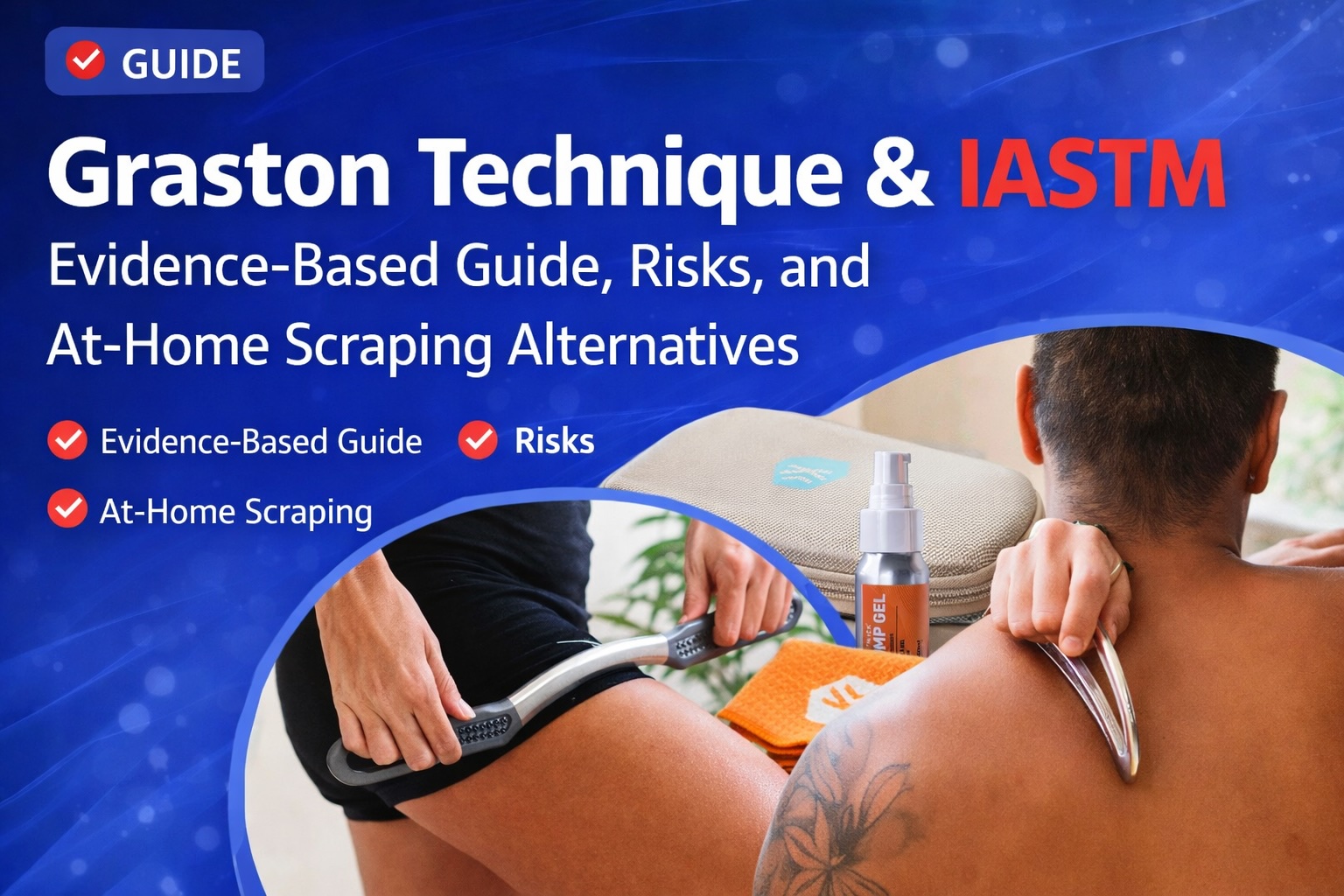
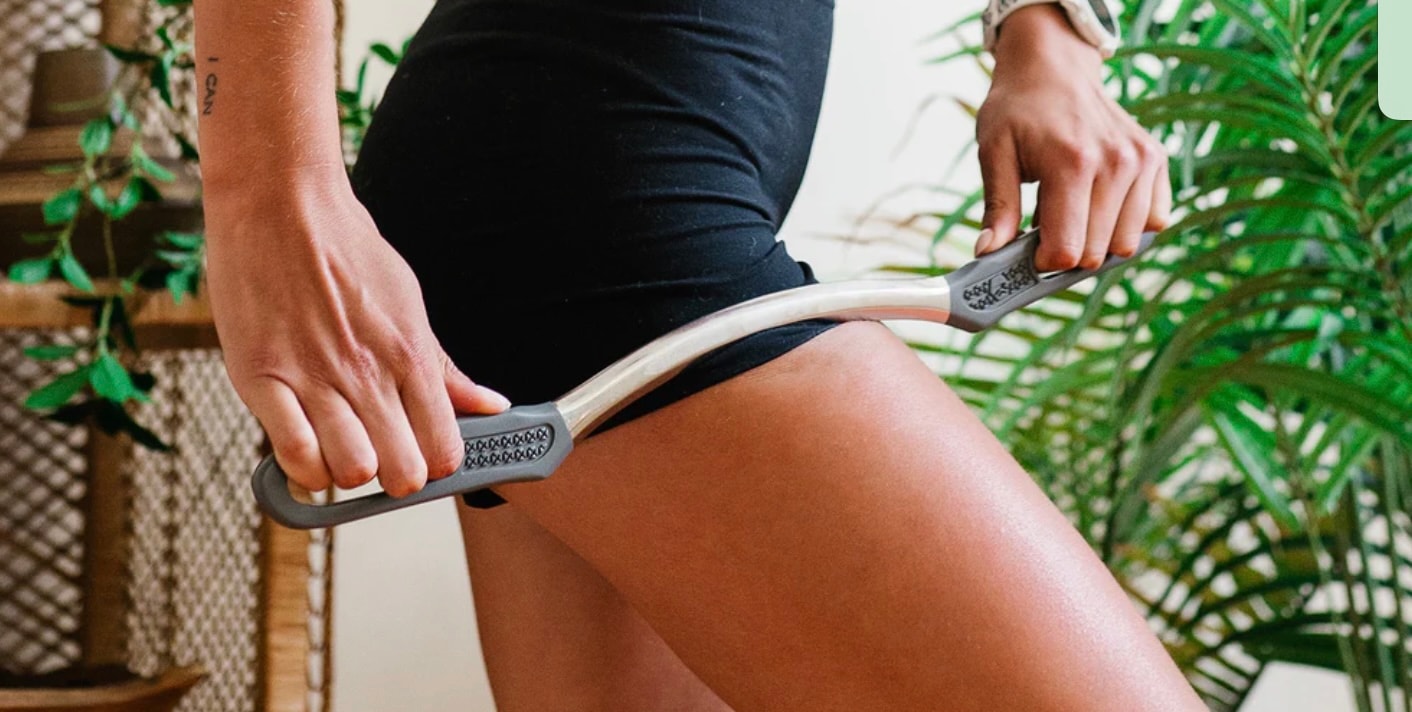
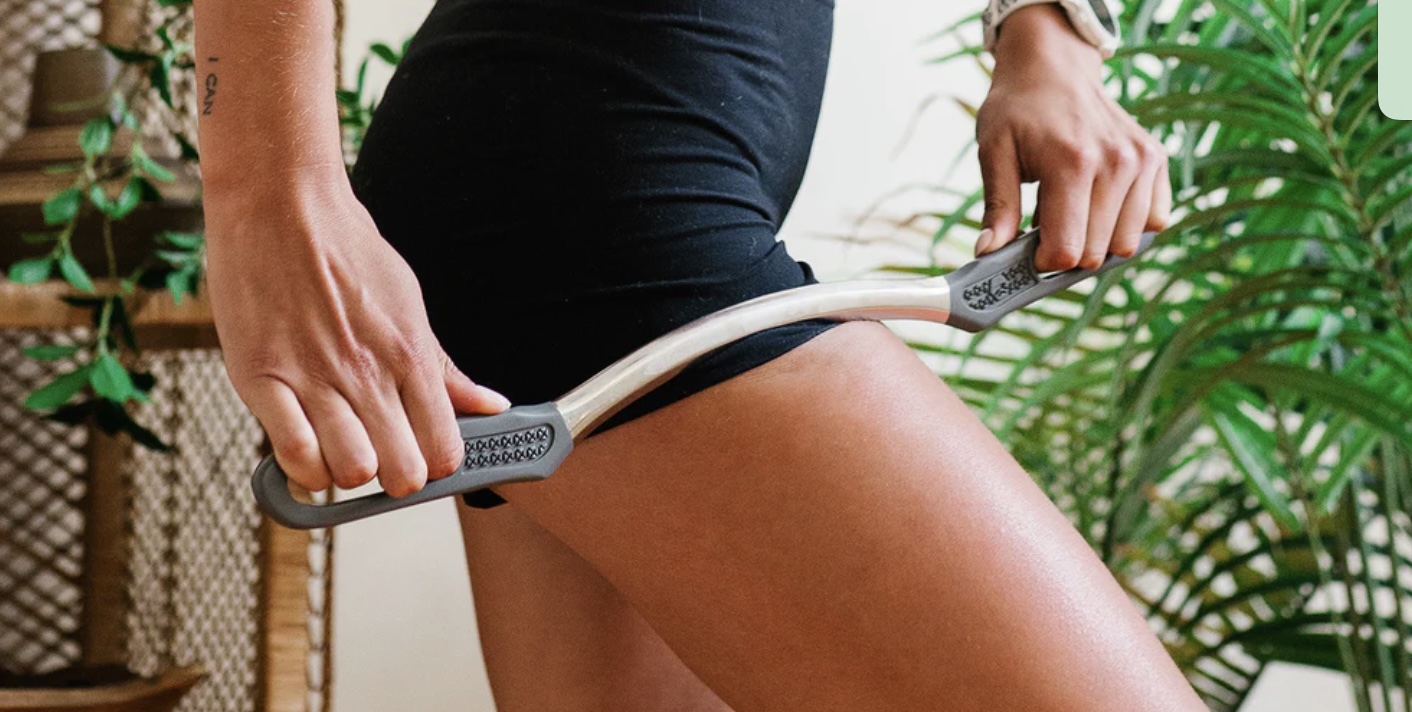
Sidekick scraping tools are stainless steel IASTM-inspired tools designed specifically for athletes and everyday users who want a safer way to do self-myofascial release at home. Unlike graston instruments used in clinical settings, Sidekick tools are shaped with ergonomic contours and beginner-friendly edges that make controlling pressure easier.
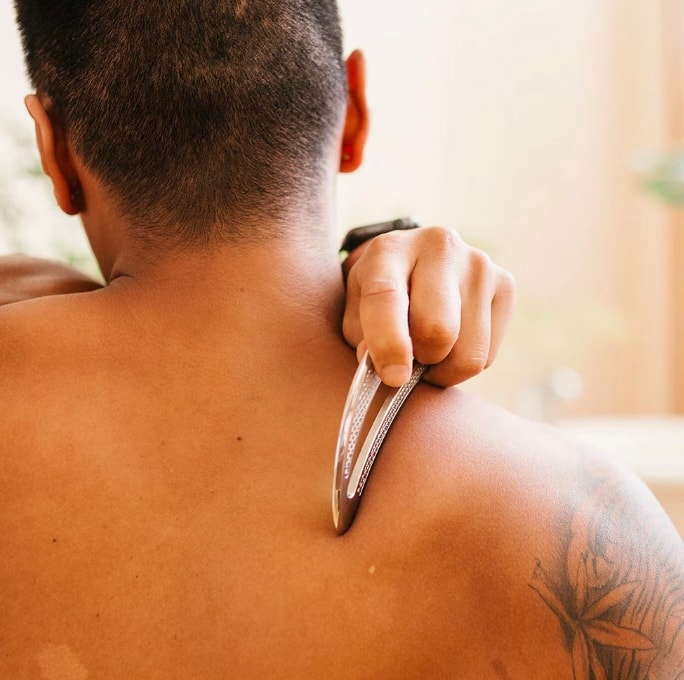
The design allows you to effectively work on common problem areas:
- Calves and shins
- Quads and IT bands
- Forearms and upper arms
- Upper back (with some positions)
This matters because improper tool design is often what makes at-home scraping uncomfortable or risky.
Important clarification: Sidekick is not official Graston equipment and does not replace a medical evaluation. However, it can fit naturally into a home recovery routine alongside stretching, strength training, and load management.
If you have persistent, unexplained, or worsening pain, see a qualified healthcare provider before relying on any at-home scraping or self-treatment strategy. Home tools are for general recovery support, not for diagnosing or treating medical conditions.
The Sidekick Eclipse Muscle Scraper is a premium stainless-steel IASTM tool designed for athletes who want Graston-style benefits at home. Its ergonomic curve and smooth edges make it easy to break up tight tissue, improve mobility, and speed up recovery — without expensive clinic visits.
🔥 A1 Athlete readers get an instant 10% off at checkout.

Graston vs. Muscle Scraping, Massage, and Other Recovery Methods
Many terms overlap in everyday conversation: Graston, muscle scraping, IASTM, Gua Sha, scraping massage, and soft tissue mobilization all describe related but distinct practices. Understanding the differences helps you choose the right approach.
Comparison Overview
| Method | Tools Used | Primary Focus | Typical Setting |
|---|---|---|---|
| Graston Technique® | Proprietary stainless steel instruments | Diagnosis + treatment of soft tissue dysfunction | Clinical (certified providers) |
| General IASTM | Various metal or plastic tools | Soft tissue mobilization | Clinical or home |
| Traditional Gua Sha | Jade, horn, or metal scrapers | Increasing circulation, often with visible petechiae | Wellness/spa or home |
| Sports Massage | Hands only | Broad muscle relaxation, circulation | Clinical or wellness |
| Foam Rolling | Foam cylinders | General tissue tolerance, broad pressure | Home or gym |
| Sidekick Tools | Ergonomic stainless steel | Self-myofascial release, targeted recovery | Home |
Key Distinctions
Graston vs. Massage: The main difference is tools versus hands. Graston provides more specific, concentrated pressure along tendon borders and fascial bands. Massage offers broader contact and different pressure profiles. Both can be effective treatment approaches depending on the goal.
Traditional Gua Sha vs. Modern IASTM: Gua Sha is culturally rooted and sometimes aims for visible petechiae as part of the therapeutic effect. Modern sports-focused IASTM and athlete-oriented tools like Sidekick tend to emphasize comfort and training integration rather than aggressive scraping.
Foam Rolling and Lacrosse Ball Work: These provide excellent general tissue tolerance benefits through broader pressure distribution. They’re great for large muscle groups but less precise for targeted work along muscle junctions or tendon insertions.
No Single “Best” Recovery Tool
The real advantage comes from using an appropriate mix of:
- Stretching and mobility work
- Strength training
- Load management
- Soft tissue techniques that fit your schedule and tolerance
Sidekick scraping tools bridge the gap between clinic-only treatments and basic self-care like foam rolling, giving athletes a more precise option they can use on off days or after training sessions.
The best approach? Experiment carefully with different methods while tracking how pain levels, range of motion, and performance change over several weeks. Single-session judgments rarely tell the full story.
What a Typical Graston Session Looks Like (Step-by-Step)
Understanding what happens during a clinical Graston session helps set realistic expectations and lets you ask better questions when seeking treatment.
The Standard Flow
Step 1: History and Assessment The therapist reviews your symptoms, injury history, and movement patterns. This initial evaluation identifies areas to focus on and screens for contraindications.
Step 2: Warm-Up 5-10 minutes of light cardio (bike, treadmill) or targeted active mobility to increase tissue temperature and blood flow.
Step 3: Positioning You’ll be positioned to expose the treatment area—lying prone for hamstrings, seated for shoulders, etc.
Step 4: Emollient Application Lotion or massage cream allows smooth instrument gliding without skin irritation.
Step 5: Scanning Phase The clinician starts with lighter strokes to “scan” tissues, identifying areas that feel gritty, thickened, or particularly tender.
Step 6: Treatment Phase Focused work on problem areas using various instrument edges and angles, staying within your tolerable discomfort range. This typically occupies 8-12 minutes for a single region.
Step 7: Exercise and Education Remaining time is spent on strengthening, stretching exercises, and education about activity modification between sessions.
Post-Treatment Expectations
After your session, expect:
- Mild soreness for 1-2 days
- Temporary redness that fades within hours
- Instructions to hydrate and gently move the area
- Recommendations to avoid high-intensity loading if tissue feels overly irritated
Questions to Ask a Prospective Provider
- What training do you have in Graston or IASTM?
- What’s your experience with my specific sport or condition?
- How do you integrate exercise and load management into treatment?
- How many visits do you typically recommend for cases like mine?
- What should I be doing at home between sessions?
Cost Considerations
- Per-session pricing typically ranges from $50-150 depending on location and provider
- Insurance coverage varies significantly—always verify beforehand
- Ask about total expected treatment duration, not just single-visit prices
- Consider whether the investment aligns with your recovery timeline and budget
The most effective clinics pair other manual therapies like Graston with a clear progression of home exercises and return-to-sport milestones. If someone just scrapes without giving you a plan, that’s concerning.
Using Sidekick Scraping Tools at Home: Safe, Practical IASTM-Inspired Recovery
Sidekick scraping tools bring some of the feel of IASTM into an at-home recovery context, with designs tailored for self-use rather than clinician-only application. This matters because the ergonomics, edge profiles, and weight distribution significantly impact both safety and effectiveness when you’re working on yourself.
Key Design Features
| Feature | Benefit |
|---|---|
| High-quality stainless steel construction | Durability, smooth glide, easy cleaning |
| Ergonomic shapes | Fit common muscle groups naturally |
| Beginner-friendly edges | Forgiving enough for new users while still effective |
| Multiple contour options | Match tools to specific body areas |
| Balanced weight | Tool does more work, reducing grip fatigue |
A Simple Home Protocol
Here’s a safe, practical approach for at-home muscle scraping:
- Warm up the area: Light movement, dynamic stretching, or a warm shower (5-10 minutes)
- Apply lubricant: Small amount of lotion or massage oil on the skin
- Use light to moderate pressure: Glide along the muscle belly with 30-90 second passes per region
- Follow the muscle: Work in the direction of muscle fibers, not across them
- Finish with movement: Stretching exercises or simple strength work to improve mobility
Safety Boundaries
Avoid scraping directly over:
- Open wounds or healing cuts
- Recent bruises
- Bony prominences (shin front, spine, kneecap)
- Varicose veins
- Areas with numbness or impaired sensation
Stop immediately if:
- Pain feels sharp or burning
- Discomfort lingers after you stop
- You notice excessive redness or swelling
Do not aggressively pursue bruising as a goal. Light petechiae is normal; covering yourself in dark bruises is not the point.
Example Use Cases
- Runners: Calves and shins after tempo runs or long efforts
- Lifters: Forearms and lats after heavy pulling sessions
- Office workers: Upper traps and neck at the end of long computer days
- Overhead athletes: Posterior shoulder and arm after throwing or swimming
- Collegiate baseball players: Pre and post-practice forearm and shoulder work
Most Versatile
Sidekick Echo Tool
The Echo tool is a slightly heavier, slightly longer, more heavy-duty version of the Swerve and wins my recommendation as the ‘best overall’ muscle scraping tool!
 If you make a purchase, we may earn a commission at no extra cost to you.
The Echo tool is a slightly heavier, slightly longer, more heavy-duty version of the Swerve and wins my recommendation as the ‘best overall’ muscle scraping tool!
What Sidekick Is (and Isn’t)
Sidekick tools are intended for general muscle recovery and comfort—supporting your body between workouts and helping maintain the gains you’ve made from therapy or training.
They are not for diagnosing or treating medical conditions like serious tendon tears, fractures, or systemic disease. If something feels wrong or isn’t improving, seek professional evaluation.
For athletes who want a structured, athlete-friendly way to try muscle scraping at home, exploring Sidekick’s tool lineup offers options matched to different sports and typical tight spots.
Sidekick vs. Generic Scraping Tools: Why Design and Quality Matter
Not all scraping tools are created equal. Shape, weight, edge finish, and material quality dramatically influence both comfort and effectiveness—especially for self-use where you don’t have clinical training to compensate for poor equipment.
Common Problems with Cheap Tools
| Issue | Result |
|---|---|
| Sharp or poorly polished edges | Skin irritation, cuts, excessive discomfort |
| Awkward shapes | Doesn’t follow muscle contours, requires uncomfortable wrist angles |
| Slippery grip | Loss of control, inconsistent pressure |
| Inconsistent metal quality | Rough spots, potential for skin reactions |
| Too light or too heavy | Either too much grip force required or unwieldy to control |
What Sets Sidekick Apart
Ergonomic contours: Sidekick tools are designed to follow muscle lines—calves, quads, forearms—reducing the need for awkward positions and helping you maintain even, controlled pressure throughout your session.
Weight and balance: The proper heft of quality stainless steel allows the tool to do more of the work. You can use lighter grip force, avoiding hand fatigue during longer recovery sessions.
Beginner-friendly edge profiles: Intentionally designed to provide strong sensation without the “cheese-grater” feel some low-cost alternatives produce. This reduces the risk of overdoing it while still delivering effective work.
Durability: Stainless steel resists corrosion and maintains its finish over time, unlike cheap alloys that may rust or degrade with regular use.
The Consistency Factor
A well-designed tool makes it easier to stay consistent with home recovery because it actually feels good to use. When your equipment fits naturally into daily routines rather than feeling like a chore, you’re more likely to use it regularly—and consistency matters more than any single session.
Treat scraping tools like any other training equipment: prioritize build quality, design, and safety features instead of choosing only on lowest price. The few extra dollars spent on proper tools pays off in better sessions and lower injury risk.
The Sidekick Bow Tool is the best option for legs thanks to its longer, curved design that covers more surface area with each pass. It’s ideal for quads, hamstrings, calves, and IT bands, making it easier to break up tight tissue and speed up recovery in less time.
🔥 Get an instant 10% off when you purchase through A1 Athlete.
Key Takeaways and When to Choose Clinic Graston vs. At‑Home Scraping
Let’s summarize what matters most from this guide.
The Big Picture
- Graston Technique is a trademarked, clinician-delivered form of IASTM with evidence supporting short-term pain and mobility gains—especially when paired with proper exercise and load management
- When used by trained providers, it’s generally safe but not risk-free, requiring proper screening and good judgment about pressure and technique
- At-home scraping isn’t a replacement for medical evaluation, but it’s a convenient way for healthy athletes to manage day-to-day tightness and support recovery
Simple Decision Framework
| Situation | Recommended Approach |
|---|---|
| Persistent, unexplained, or severe pain | Seek in-clinic Graston or medical evaluation |
| New injury with significant swelling or instability | See a healthcare provider first |
| Everyday post-workout tightness | At-home tools like Sidekick are appropriate |
| Maintaining gains from physical therapy | Home scraping plus prescribed exercises |
| General recovery support between training sessions | Self-myofascial release with proper tools |
Think Long-Term
Any soft tissue work—clinical or home-based—works best as part of a comprehensive approach:
- Strength training to address underlying weaknesses
- Smart programming to manage training load
- Adequate sleep and recovery time
- Proper nutrition to support tissue repair
- Consistency over weeks and months, not one-time quick fixes

Your Next Step
If you’re ready to add structured, safe muscle scraping to your recovery routine, Sidekick’s stainless steel scraping tools offer a practical starting point. Begin with light pressure, focus on comfort rather than aggressive digging, and pay attention to how your body responds over multiple sessions.
Combine your scraping work with movement, strength training, and the other fundamentals of athletic recovery. The tools that help most are the ones you actually use consistently.
A Final Note
This article aims to provide balanced, evidence-based education about Graston Technique and at-home alternatives. For serious, concerning, or worsening symptoms—especially those involving significant pain, weakness, numbness, or changes in function—consultation with a licensed healthcare professional is essential. No recovery tool or technique replaces proper medical evaluation when something isn’t right.