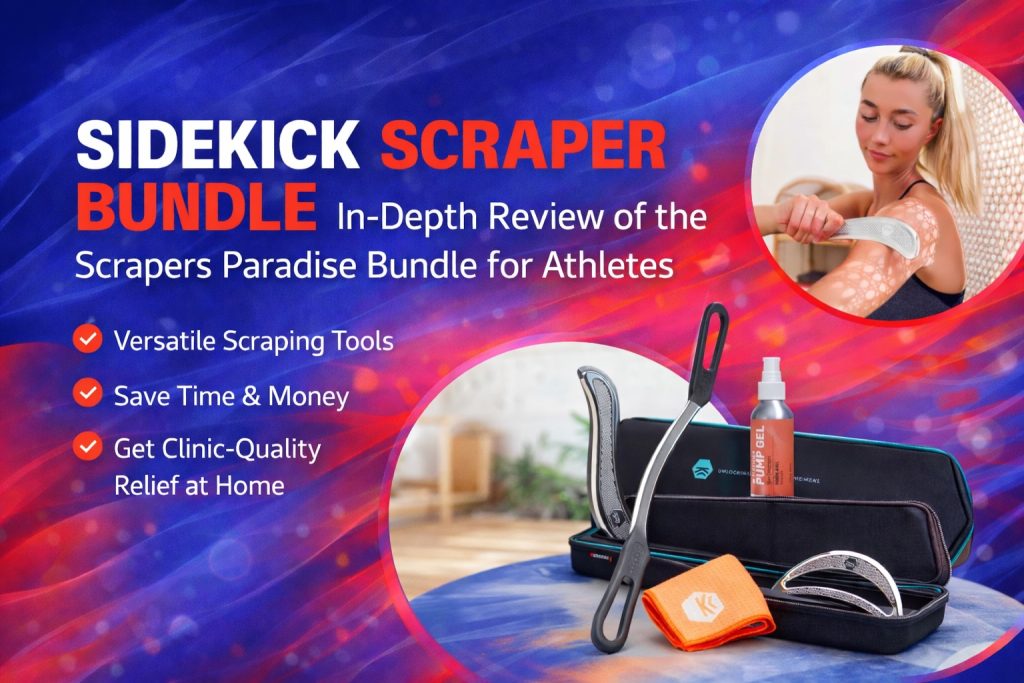
If you’ve ever finished a long run with calves that feel like concrete, or woken up the day after heavy squats with quads that protest every stair, you know the frustration. That nagging IT band tightness. The recurring calf knots that foam rolling barely touches. The feeling of being perpetually beat up during peak training blocks. And if you’ve been paying $100+ per session for clinic-based scraping or soft tissue work, you’ve probably wondered if there’s a more practical long-term solution.
This is an in-depth, hands-on style review of the Sidekick Scrapers Paradise Bundle, written from the perspective of an experienced athlete and recovery-gear reviewer. I’m not a medical professional, so nothing here constitutes medical advice. What I can offer is a practical breakdown of what this bundle actually is, how it works, and whether it’s worth your money.
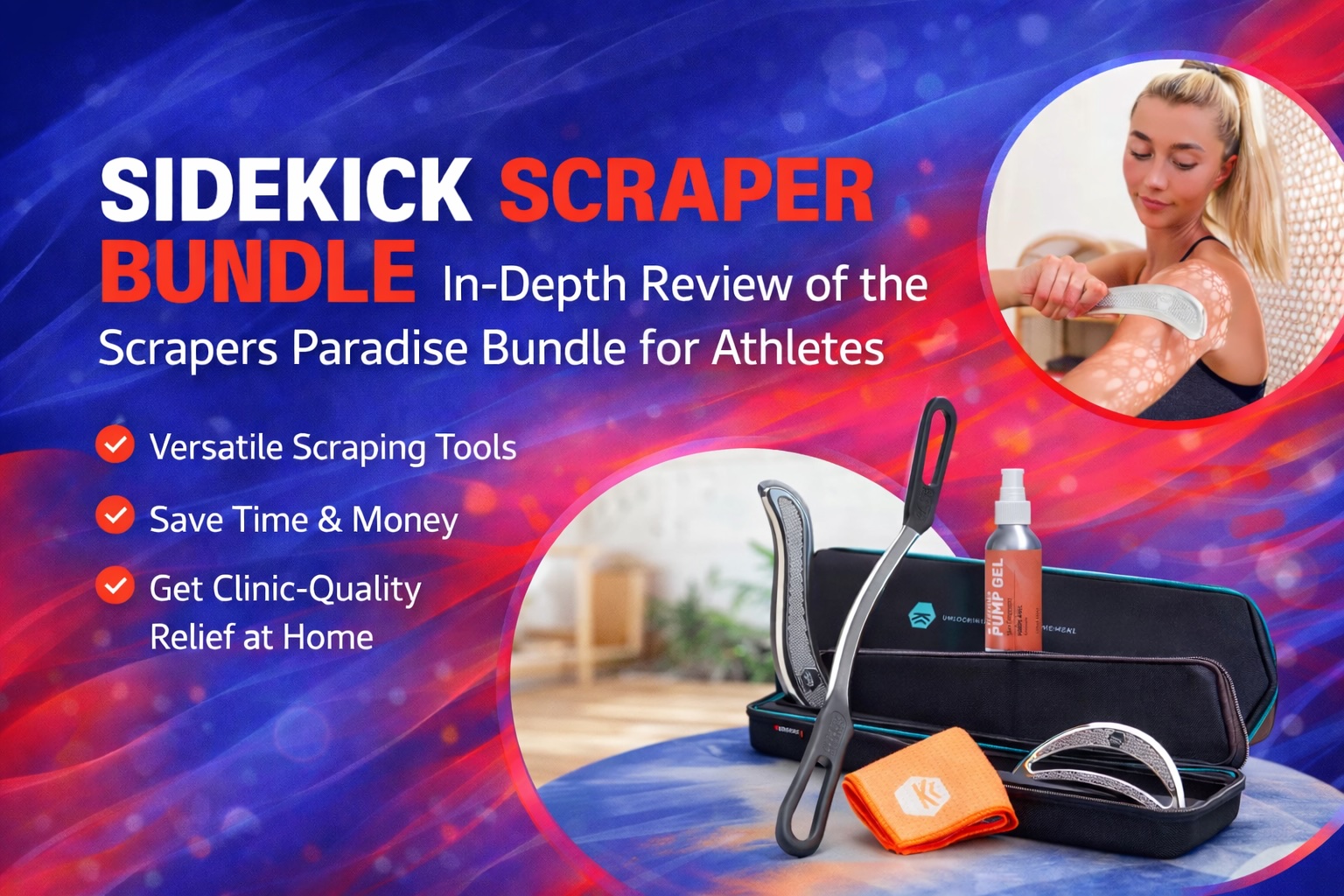
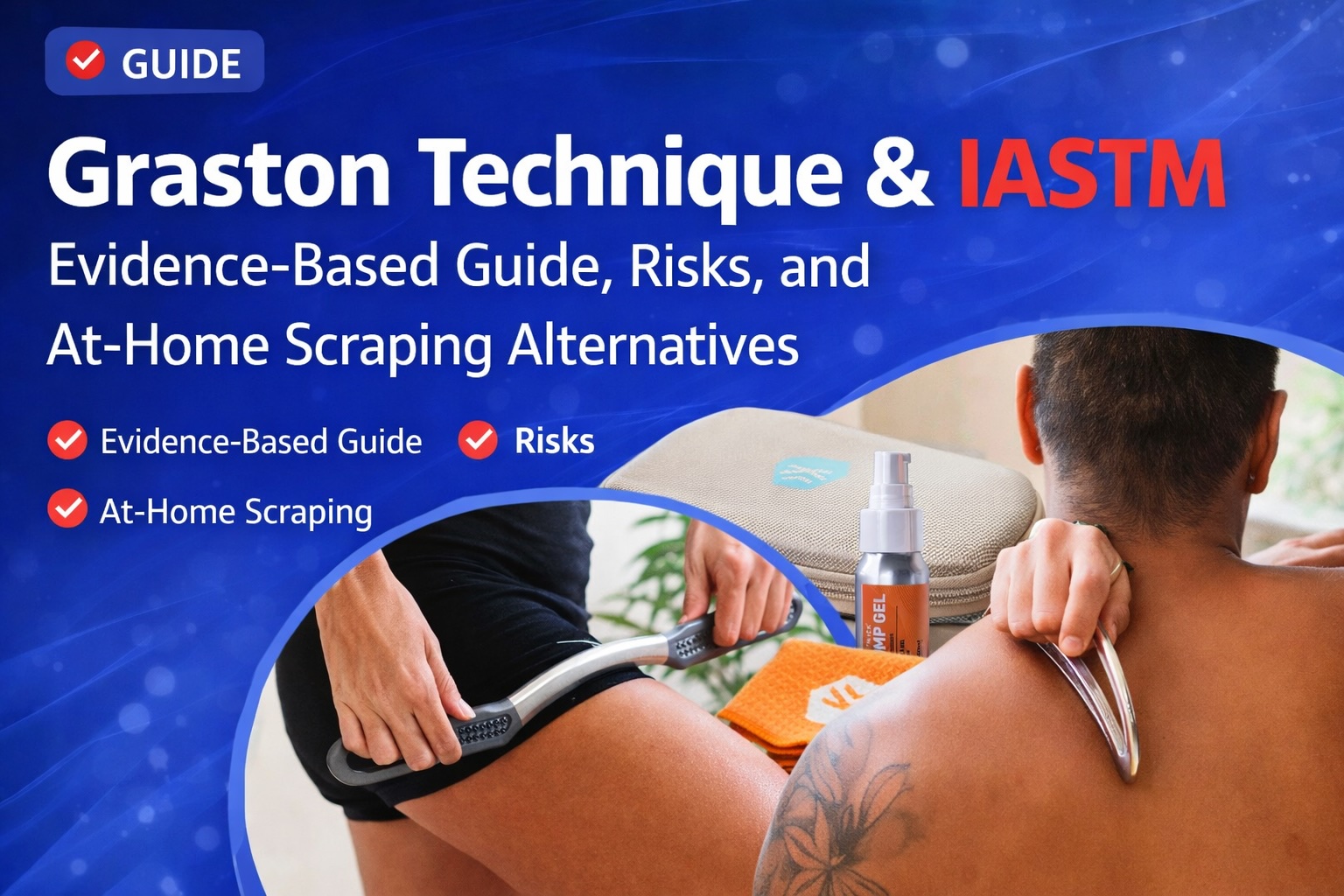
In simple terms, the Scrapers Paradise Bundle is a complete at-home set of IASTM-style (instrument assisted soft tissue mobilization) scraping tools designed to deliver the kind of muscle scraping work you’d typically get in a physical therapy clinic. Think of it as bringing Graston-style soft tissue work into your living room.
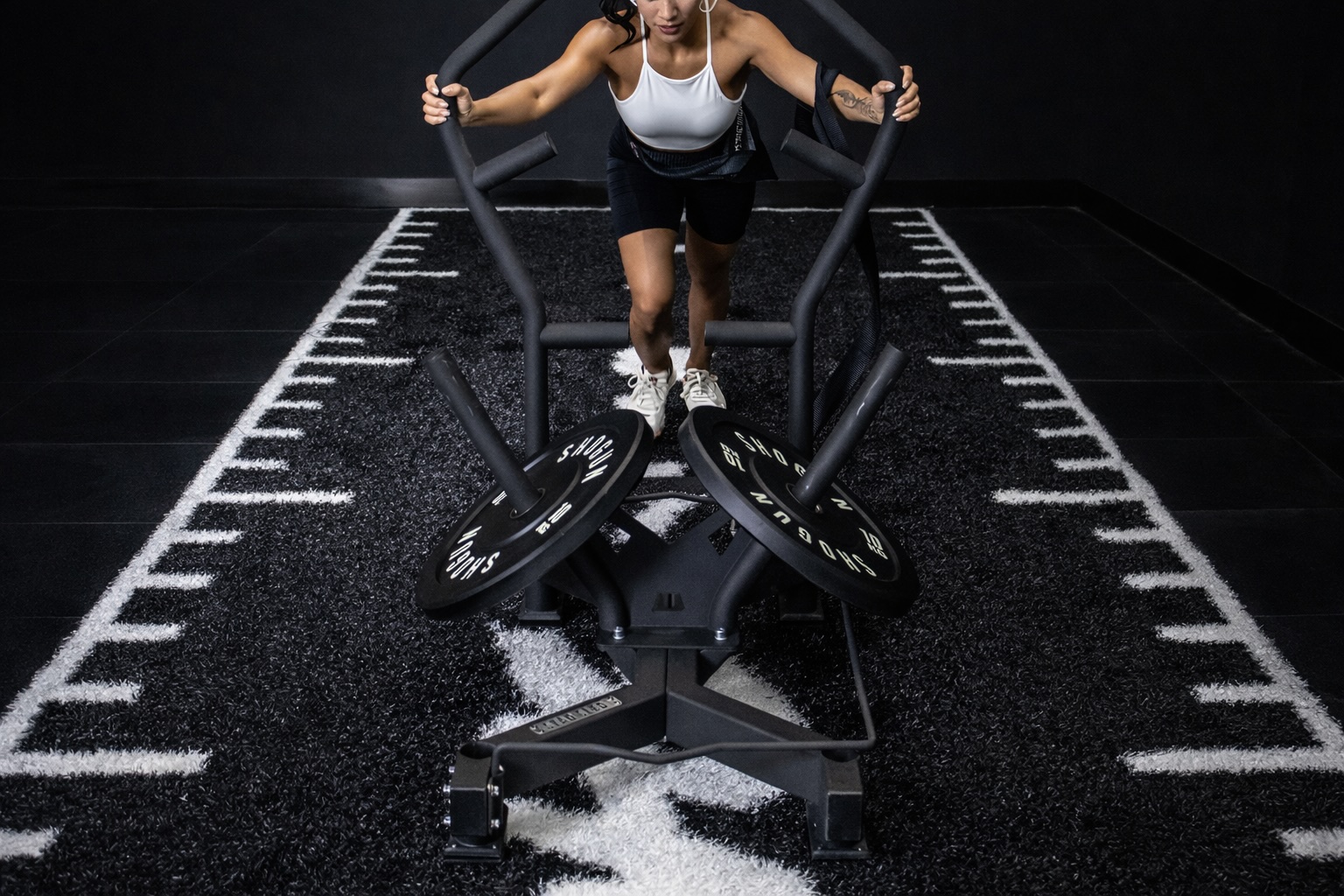
The quick verdict: this bundle is best suited for runners, lifters, CrossFit athletes, and field sport athletes who want a full-body scraping kit at home. It offers better value than buying Sidekick tools and gels individually, and the stainless steel construction means these tools will outlast most other recovery gear in your bag. A1 Athlete readers can grab an exclusive 10% off when purchasing through our link—check the current price here. If you’re also interested in enhancing your strength and conditioning, check out our Freak Athlete Multi Sled review for athletes.
The rest of this article breaks down: what muscle scraping and IASTM actually are, what’s inside the bundle, how each tool is used, real-world pros and cons, safety considerations, and who should (or shouldn’t) invest in this kit.
Muscle Scraping & IASTM 101 (Without the Jargon)
Muscle scraping is exactly what it sounds like: using a smooth, rigid tool to glide over your skin and gently scrape muscles and fascia. The goal is to improve blood flow, work on tissue quality, and address areas that feel tight, gritty, or restricted. It’s not complicated, but the technique matters.
Modern muscle scraping draws from two main traditions:
- Traditional Chinese medicine gua sha – a practice used for centuries in China and East Asia, originally involving scraping the skin with jade or horn tools to promote healing and circulation.
- Clinical Graston Technique® systems – a trademarked method that became popular in sports rehab clinics in the early 2000s, using specialized stainless steel instruments with specific protocols.
IASTM stands for Instrument Assisted Soft Tissue Mobilization. It’s an umbrella term covering these metal-tool techniques—not a single brand or method. When you see “IASTM tools,” think of the general category rather than any specific clinical system.
Here’s how these approaches differ:
- Gua sha: Often more aggressive, broad-area scraping. In traditional chinese medicine, it’s sometimes used for systemic health purposes beyond just muscle work.
- Graston Technique®: A trademarked clinical system performed by certified practitioners following specific protocols and training.
- At-home IASTM-style tools (like Sidekick): Designed for controlled, self-applied soft tissue work focused on mobility and muscle recovery.
In physiological terms, scraping is thought to stimulate local blood flow, mechanically scan for rough or gritty tissue (adhesions), and help remodel mild scar tissue over time. The pressure and movement create a microtrauma response that can promote healing and improve flexibility in the targeted connective tissues.
A note on evidence: research is still emerging. Some studies show improvements in range of motion, short-term pain relief, and various recovery markers. But scraping isn’t a cure-all. It works best as part of a bigger recovery plan that includes proper sleep, load management, and strength work. And if you have injuries or medical conditions, talk to a qualified healthcare professional before adding scraping tools to your routine.
Graston Technique® vs At-Home “Graston-Style” Tools Like Sidekick
Let’s clear something up: Graston Technique® is a proprietary clinical method performed by certified practitioners who’ve completed specialized training. Sidekick tools are consumer IASTM-style instruments designed for home use. They’re not the same thing, and Sidekick is not affiliated with, endorsed by, or an official provider of Graston Technique®. When I say “Graston-style,” I’m using it purely as a descriptive term for similar tool-based soft tissue work.
A typical clinical Graston session looks something like this:
- 5–10 minutes of warm-up (light cardio or dynamic mobility)
- 10–20 minutes of targeted scraping by a trained clinician using stainless steel tools
- Followed by stretching, corrective exercises, and sometimes modalities like heat or ice
Advantages of clinic sessions:
- Expert assessment of what’s actually causing your pain or dysfunction
- Skilled control of pressure, angles, and technique
- Integration with comprehensive rehab plans for injuries like tendinopathies or post-surgical stiffness
- Potential insurance coverage in some cases
What at-home Sidekick use offers instead:
- Great for maintenance of tight spots you already know (calves, quads, hamstrings, IT band, forearms)
- Allows frequent, low-dose sessions without booking appointments or driving across town
- Ideal for pre-run or post-lift routines when you’re familiar with your typical trouble areas
- No ongoing session costs once you own the tools
The Scrapers Paradise Bundle positions itself as the practical bridge between these worlds. It doesn’t replace a good physical therapist when you’re dealing with a real injury. But it allows athletes to get a clinic-like scraping experience at home between professional sessions, at a fraction of the long-term cost. For maintenance and recovery work on sore muscles and persistent tightness, that’s a meaningful benefit.
What’s Actually in the Sidekick Scrapers Paradise Bundle?
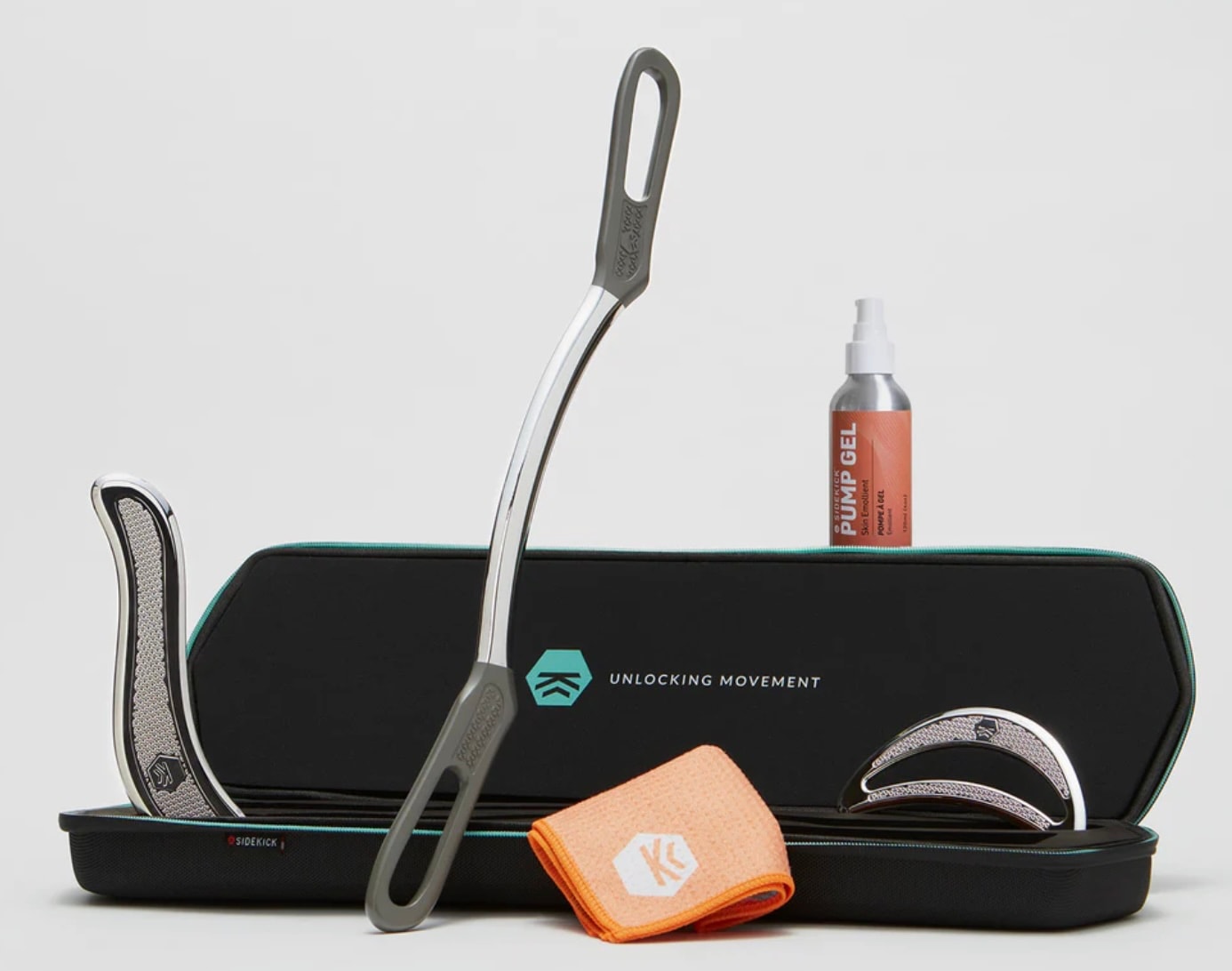
The Scrapers Paradise Bundle is curated to cover head-to-toe use cases. At $88.50, it’s positioned as a complete toolkit rather than a starter kit. Here’s what you get:
| Item | Purpose |
|---|---|
| Swerve Tool | Entry-level, full-body versatility. Easy to handle and portable. |
| Eclipse Tool | Compact design for smaller areas like feet, shins, and forearms. Ergonomic grip. |
| Bow Tool | The largest scraper with dual handles. Designed for extensive coverage on big muscle groups. |
| XL Protective Carrying Case | Fits all three tools. Keeps edges protected during travel or storage. |
| XL Pump Gel (Emollient) | Provides the lubrication needed for smooth scraping without skin irritation. |
| Cleaning Towel | For wiping down tools and skin after sessions. |
All three scrapers are constructed from 304 medical-grade stainless steel—corrosion-resistant and sanitizable. The company claims these tools “last a lifetime,” and based on the material quality, that’s not an unreasonable expectation if you care for them properly.
Each tool features a dual-beveled edge design, which the company says enhances blood flow during use. The contoured, curved shapes are engineered to target hard-to-reach areas that foam rollers and lacrosse balls struggle with: the Achilles region, the arch of the foot, the shin, and certain areas of the forearm.
The tools also have a weighted feel. This isn’t accidental—the weight helps deliver deep pressure with less effort from you. One reviewer, a chiropractor specializing in soft tissue work, specifically called out the tool weight as a significant advantage.
Price positioning: Buying the Swerve, Eclipse, and Bow individually, plus the gel and case, would run you more than the bundle price. The exact savings depend on current pricing, but the bundle approach typically saves 15-25% versus piecing together each component separately. Check the current bundle price here to see the latest numbers.
Another detail worth noting: the Scrapers Paradise Bundle is HSA/FSA approved. If you have a Health Spending Account or Flexible Spending Account, you can use those funds at checkout or submit for reimbursement. That can meaningfully reduce your out-of-pocket cost.
The Sidekick Scrapers Paradise Bundle is a complete muscle scraping and IASTM recovery kit designed for athletes who want clinic-style results at home. With multiple scraper shapes for legs, arms, shoulders, and back, this bundle delivers faster recovery, better mobility, and serious long-term value compared to single tools or expensive treatment sessions.
🔥 A1 Athlete readers get an instant 10% off when purchasing through our link.
Tool-by-Tool Breakdown: How to Use Each Scraper & Best Muscle Groups
This section is meant to be practical. Each tool has a specific purpose, and knowing which one to grab for which body region will save you time and improve your results.
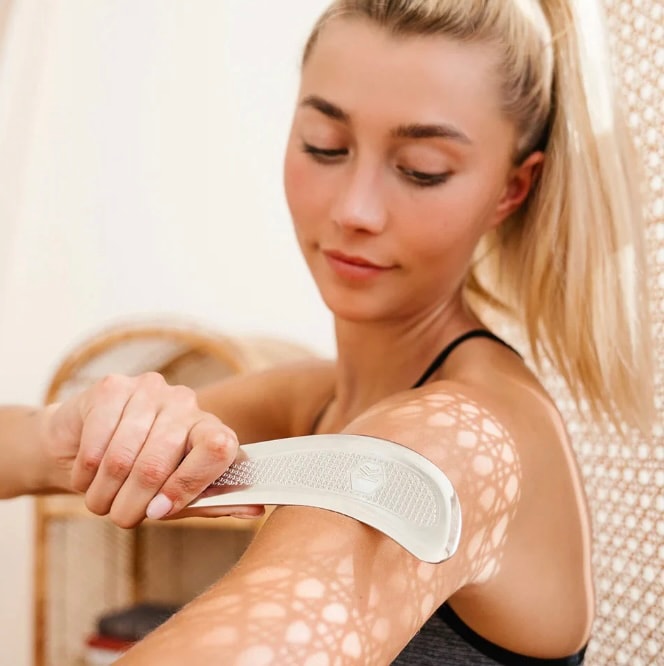
The general technique for all tools:
- Apply a thin layer of gel or emollient to the target area
- Hold the tool at approximately 30–45 degrees to the skin
- Use light to moderate pressure
- Scrape in the direction of the muscle fibers
- Work each area for 30 seconds to 2–3 minutes
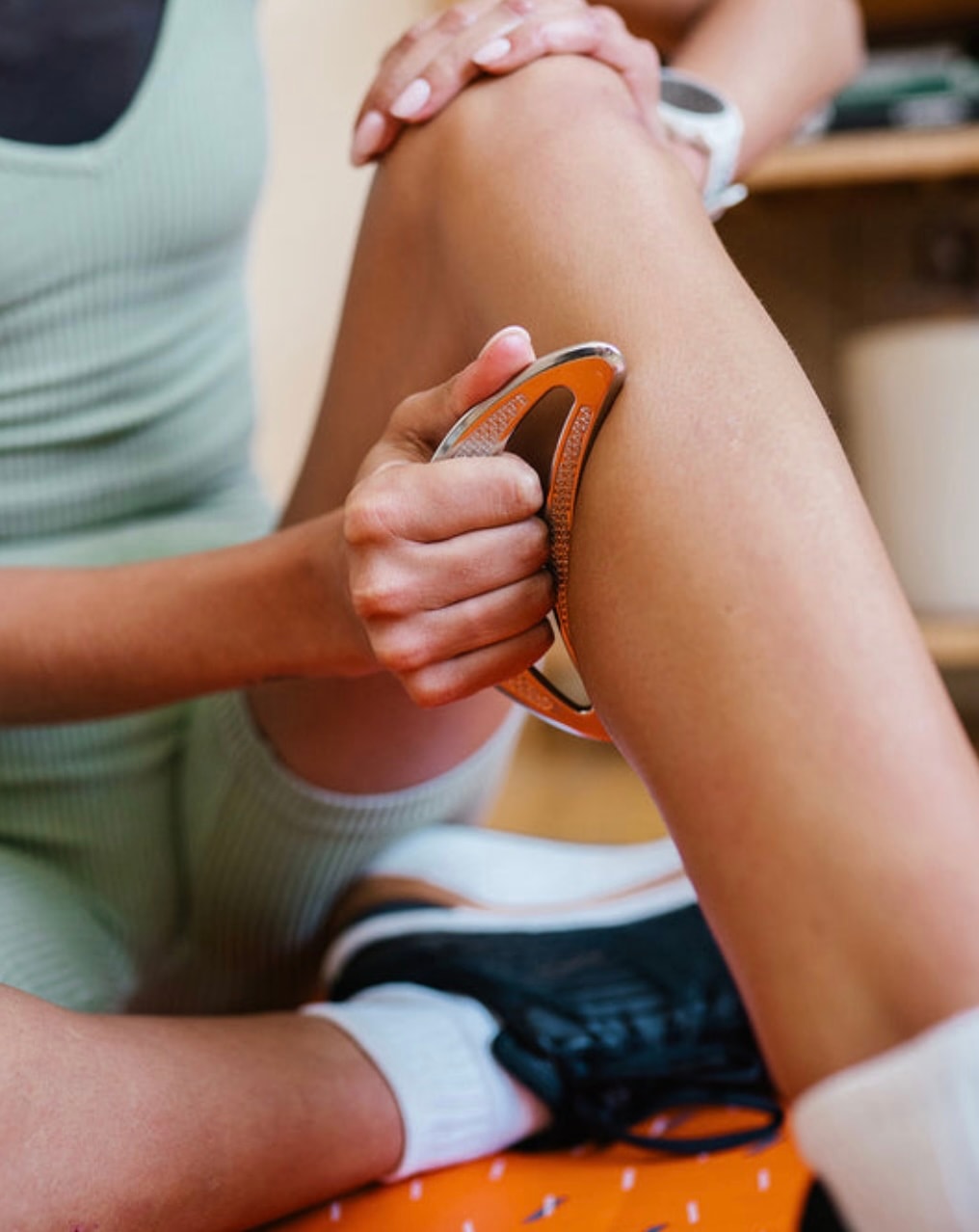
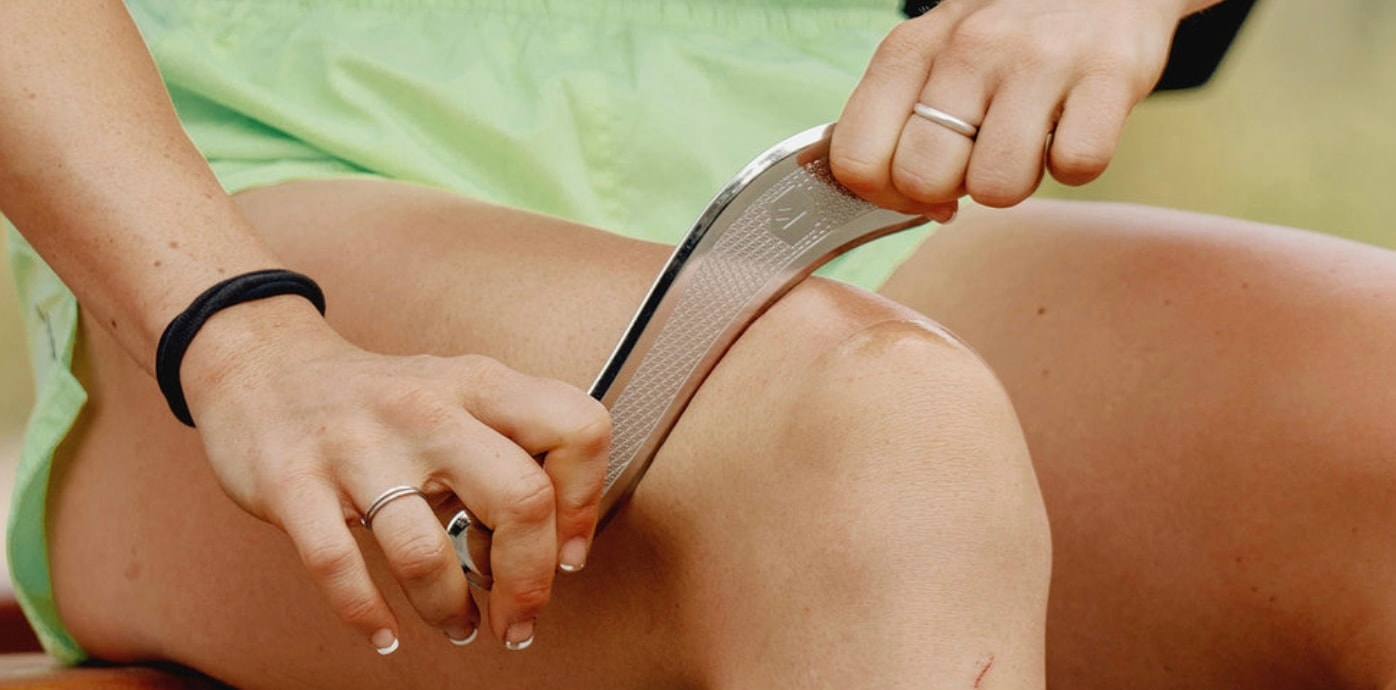
It is important to avoid scraping directly over bony areas such as the knees. Instead, focus on ‘meaty’ muscle areas like the quads or calves for best results.
One thing to pay attention to: the stainless steel tools provide vibration feedback. When you pass over grittier, denser tissue (potential adhesions or tight spots), you’ll feel a bumpy or rough sensation through the tool. This typically smooths out over weeks of consistent work—a sign that the tissue quality is improving.
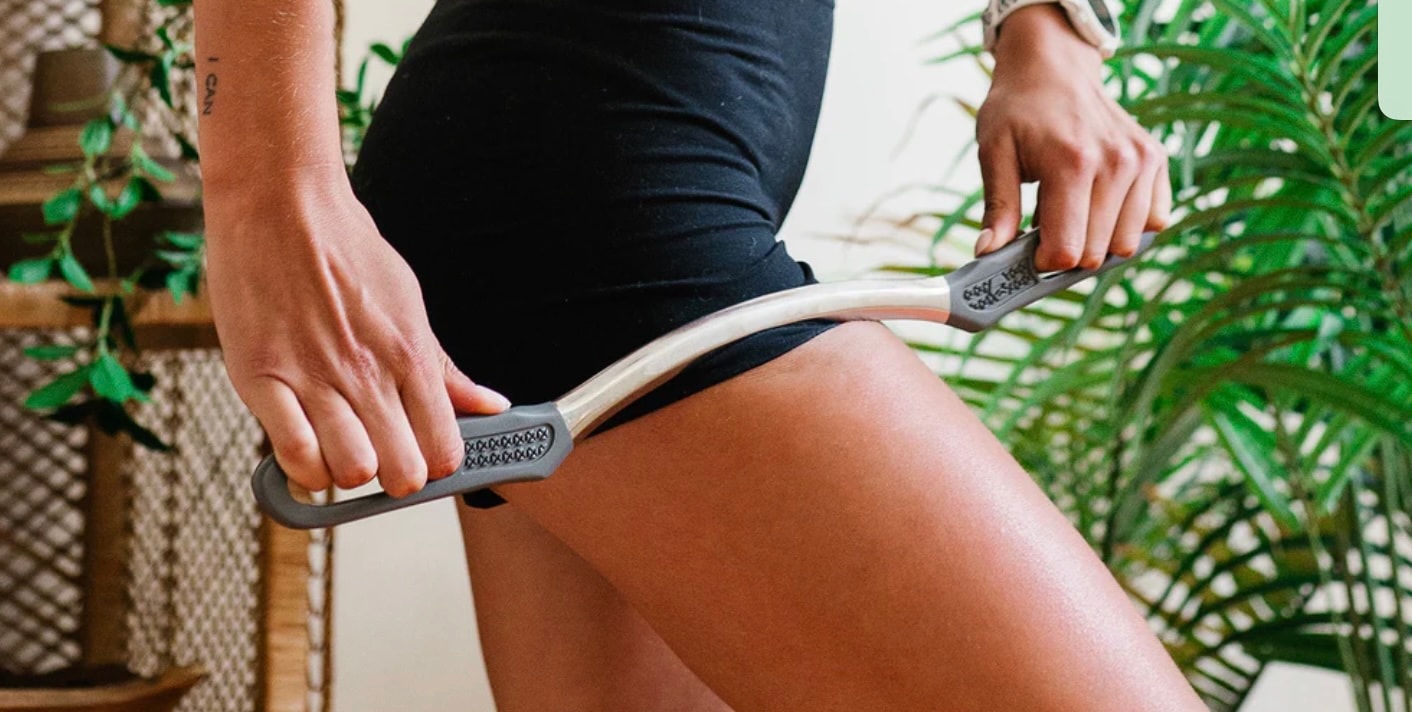
The Bow: Heavyweight Workhorse for Legs & Big Muscle Groups
The Bow is the largest tool in the bundle, featuring dual handles for two-handed use. It’s designed for broad muscle groups where you want extensive coverage and consistent pressure.
Best body regions:
- Quads (front of thighs)
- Hamstrings (back of thighs)
- Glutes
- IT band region (lateral thigh)
- Upper back and lats
Ideal use cases:
- Post-heavy-leg-day recovery (2–3 minutes per quad and hamstring)
- Pre-long-run activation on larger leg muscles
- Weekly deep sessions on rest days
The added weight means gravity does much of the work for you. You’re not fighting to create pressure—you’re guiding the tool while its mass provides the force. This makes long strokes across your quads and hamstrings less fatiguing on your hands and arms.
How it feels: Deep, massage-like pressure with clear vibration feedback when passing over grittier tissue. The Bow can be used to help break up adhesions, scar tissue, or knots in large muscle groups, which can improve blood flow and mobility. Athletes who have used foam rolling extensively often describe this as more targeted and controlled.
Do nots: Avoid scraping directly over the kneecap, hip bone, or spine. Keep the tool on muscle tissue.
The Swerve: Versatile Stainless Steel Option for Full-Body Use
The Swerve is positioned as the entry-level, do-everything tool. It’s mid-sized, portable, and the curves are designed to work on most body parts effectively.
Best body regions:
- Calves and soleus
- Shins and anterior tibialis
- Plantar fascia and arch of the foot
- Forearms
- Smaller athletes’ quads and hamstrings
- Hip flexors
Ideal use cases:
- 60–90 seconds on each calf post-run
- Quick forearm work before pull-heavy lifting days
- Travel-friendly option when you can only pack one tool
The Swerve offers strong tactile feedback without being as heavy as the Bow. It’s the tool most athletes will reach for most often because of its versatility.
Recommended scenarios:
- Runners: Post-long-run calf and plantar fascia work
- Lifters: Forearm scraping before deadlifts, bench press, or climbing
- Desk workers who train: Hip flexor and lower leg work in the evenings
The Eclipse: Compact Precision for Smaller Areas
The Eclipse is the most compact tool in the bundle, featuring an ergonomic grip and tighter curves designed to hug narrow anatomical areas.
Best body regions:
- Feet and arch
- Achilles tendon region
- Shins
- Forearms and wrists
- Smaller curves around the elbow
Ideal use cases:
- Plantar fascia work for runners dealing with foot tightness
- Targeted Achilles and lower leg sessions
- Precision work on the forearm extensors for lifters and climbers
Because of its size, the Eclipse gives you more control on bony or contoured regions. When working around the shins, ankle, or foot, this control matters—you want to avoid excessive pressure on bony landmarks.
Pro tip: Keep strokes shorter and more controlled when using the Eclipse. The compact size means you’re working smaller surface areas, so precision beats speed.
Putting It Together: A 10-15 Minute Full-Body Routine
Here’s a simple routine using all three tools that you could run 3–4 times per week:
- Warm-up (3 min): Light jog, jump rope, or air squats to get blood flowing
- Calves with Swerve (2 min per leg): Long strokes from Achilles to knee. During single-leg scraping, focus on maintaining stability and controlled movement in the opposite leg.
- Feet with Eclipse (1 min per foot): Arch and plantar fascia work
- Quads with Bow (2 min per leg): Broad strokes from knee to hip. When working one leg at a time, keep the opposite leg stable and controlled for better balance.
- Hamstrings with Bow (2 min per leg): Same approach, flip over
- IT band with Swerve (1 min per leg): Lateral thigh, use body weight to control pressure
- Cool-down stretching (2-3 min): Gentle static stretches on worked areas. For more ways to improve flexibility and leg strength, check out these slant board exercises.
Total time: about 15 minutes. That’s shorter than driving to a clinic appointment.
The Sidekick Scrapers Paradise Bundle is a complete muscle scraping and IASTM recovery kit designed for athletes who want clinic-style results at home. With multiple scraper shapes for legs, arms, shoulders, and back, this bundle delivers faster recovery, better mobility, and serious long-term value compared to single tools or expensive treatment sessions.
🔥 A1 Athlete readers get an instant 10% off when purchasing through our link.
Alternative Recovery Methods: How Muscle Scraping Compares
Muscle scraping is just one of several effective recovery methods available to athletes, each with its own strengths. Foam rolling, massage therapy, and compression garments are all popular choices for muscle recovery, pain relief, and promoting healing. However, muscle scraping stands out for its ability to deliver highly targeted pressure to specific areas of tension and scar tissue—something that broader techniques like foam rolling can sometimes miss.
Unlike foam rolling, which applies general pressure across larger muscle groups, muscle scraping allows you to hone in on stubborn knots, adhesions, and tight spots with precision. This targeted approach can lead to improved range of motion and faster recovery, especially in areas where persistent tension or scar tissue limits movement. The scraping technique also stimulates blood flow more directly to the affected tissue, which helps reduce soreness and supports the healing process.
Many athletes find that combining muscle scraping with other recovery methods—such as stretching, strengthening exercises, and even foam rolling—yields the best results. Scraping can be used before a workout to improve mobility, or after intense sessions to relieve pain and promote recovery. By integrating multiple techniques, you can address both the surface and deeper layers of muscle and connective tissue, supporting overall muscle health and performance.
In summary, while foam rolling and massage are excellent for general muscle recovery, muscle scraping offers a unique method for breaking up scar tissue, improving blood flow, and targeting specific problem areas. Used alongside other recovery methods, it can help you move better, recover faster, and train harder.
DIY Muscle Scraping: Tips for Safe and Effective Self-Treatment
Muscle scraping isn’t just for the clinic—you can safely and effectively perform it at home with the right approach. The first step is choosing a high-quality muscle scraper, ideally made from stainless steel or another smooth, durable material. These tools are widely available online or through physical therapy suppliers.
Before you begin, identify areas of your body where you feel tension, tightness, or the presence of scar tissue. Apply a small amount of emollient or gel to the skin to reduce friction. Using your muscle scraper, apply gentle to moderate pressure and glide the tool along the direction of the muscle fibers. Focus on smooth, controlled strokes, and avoid scraping over bony areas or any open wounds to prevent injury.
It’s important to listen to your body throughout the process. You should feel a firm but tolerable pressure—never sharp pain. If you experience discomfort, reduce the pressure or stop and reassess your technique. Start with short sessions, targeting one or two muscle groups at a time, and gradually increase duration as your body adapts.
Remember, the goal is to relieve tension and support healing, not to cause pain or bruising. With consistent, mindful practice, DIY muscle scraping can become a valuable part of your recovery routine, helping you address tight tissue and maintain muscle health between training sessions.
Real-World Benefits: How the Scrapers Paradise Bundle Fits into an Athlete’s Routine
Here’s what this looks like in practice: You finish a Tuesday evening track workout, shower, and spend 8 minutes scraping your calves and quads while watching something on TV. Thursday morning before your long run, you do a quick 5-minute session on your feet and lower legs to wake things up. Sunday after your long run, you go deeper—15 minutes on calves, quads, hamstrings, and IT bands. No appointments. No driving. No $100 charges.
Perceived benefits athletes commonly report:
- Faster subjective recovery between hard sessions
- Easier warm-ups where muscles feel “awake” faster
- Improved day-to-day mobility and less general stiffness during heavy training blocks
- Reduced reliance on expensive clinic visits for routine maintenance
Muscle scraping is helpful for athletes by supporting recovery, increasing blood flow, and helping to reduce pain after intense training or competition.
The bundle includes access to PT-developed instruction materials covering over 50 muscle and joint issues, with visual maps and step-by-step video demonstrations. This flattens the learning curve considerably—you’re not guessing at technique.
According to one clinical study referenced by Sidekick, users reported feeling less pain after three days of use, and returned to their normal activity after five days. While I’d want to see more details about the study methodology, these are encouraging numbers for athletes managing training-related soreness.
It’s worth noting that muscle scraping may cause mild soreness or redness, which typically fades within a few days.
What scraping should be combined with:
- Proper strength and mobility work
- Appropriate training load management
- Adequate sleep and nutrition
- Other recovery methods like stretching, hydration, and helpful tools such as a lacrosse ball for muscle recovery
Applied routine examples:
| Athlete Type | Pre-Session | Post-Session |
|---|---|---|
| Distance Runner | 5 min feet/calves | 10 min calves, quads, glutes |
| Lifter | Forearms, shoulders, lats | Hamstrings, IT band, quads |
| CrossFitter | Full-body quick scan | Focus on worked areas that day |
The stainless steel construction means these tools are easy to clean—mild soap and water—and they don’t wear out. Unlike foam rollers that compress over time or massage guns with batteries that degrade, a well-maintained metal tool remains effective for years.
See the latest bundle pricing and details here—and remember, A1 Athlete readers get 10% off.
Is Muscle Scraping Safe? Does IASTM Actually Work?
Athletes hear mixed messages about scraping. Some swear by it. Others worry about bruising, skin damage, or making things worse. Let’s address this directly.
Safety when done correctly:
For generally healthy individuals, light to moderate scraping over intact skin is typically well-tolerated. Mild redness (called petechiae or sha in traditional terminology) and temporary sensitivity are normal. Heavy bruising, significant swelling, or sharp pain indicate too much pressure or poor technique—back off immediately if you experience these.
What the evidence suggests:
Research indicates benefits for improved range of motion, short-term pain reduction, and recovery markers for issues like tendon irritation and plantar fascia discomfort. Studies are still evolving, and results vary between individuals and conditions. This isn’t a magic bullet—it’s a tool that supports recovery when used appropriately.
Who should be cautious or avoid scraping:
- People with blood clotting disorders or on blood thinners
- Those with diabetes-related skin issues
- Individuals with active skin infections, rashes, open wounds, or varicose veins in the target area
- Anyone with unexplained severe pain, recent fractures, or major injuries without medical evaluation
- Pregnant individuals should consult their healthcare provider
Best-practice guidelines:
- Start with very light pressure and short sessions (under 2 minutes per area)
- Leave 48 hours before re-working the same spot if soreness persists
- Avoid scraping directly over bones, joints, or the front of the throat
- Never scrape over broken skin or areas with visible inflammation
If you have persistent pain, significant injury concerns, or medical conditions, consult a licensed healthcare or physical therapy professional before using scraping tools. This article doesn’t offer medical advice—Sidekick tools are designed for general recovery and mobility work, not treatment of diagnosed medical conditions.
Who Is the Scrapers Paradise Bundle Best For (And Who Isn’t It For)?
Like any tool, the bundle works best for certain athlete profiles.
Athletes who will likely benefit most:
- Distance runners logging 30–80+ miles per week who battle chronic calf, quad, or IT band tightness
- Strength athletes and CrossFitters with frequent heavy squat, deadlift, and press sessions
- Team sport athletes (soccer, rugby, basketball) who accumulate eccentric loading and sprinting volume
- Desk workers who train hard in the evenings and feel perpetually tight in hips, forearms, and neck
Personality and use-case fits:
- Self-motivated athletes who already value foam rolling, stretching, and mobility work
- People willing to learn basic technique from video tutorials
- Athletes who want to reduce dependency on frequent clinic visits
Who might not need the full bundle:
- Very casual exercisers with mild soreness—a single scraper or foam roller may suffice
- People who dislike self-care work and prefer passive treatments at a clinic (they likely won’t use the tools enough to justify the cost)
- Complete beginners to any form of recovery work might start with a simpler single-tool option
Important note on injuries:
If your pain is sharp, worsening, or significantly limiting daily activities, prioritize professional assessment over self-treatment tools. The bundle is for maintenance and recovery support, not diagnosis or treatment of serious conditions.
The Scrapers Paradise Bundle is ideal for athletes looking to build a home recovery station that covers multiple body regions, rather than piecing together individual tools over months or years.
The Sidekick Scrapers Paradise Bundle is a complete muscle scraping and IASTM recovery kit designed for athletes who want clinic-style results at home. With multiple scraper shapes for legs, arms, shoulders, and back, this bundle delivers faster recovery, better mobility, and serious long-term value compared to single tools or expensive treatment sessions.
🔥 A1 Athlete readers get an instant 10% off when purchasing through our link.
Value & Cost Comparison: Bundle vs Individual Tools vs Clinic Sessions
Let’s run the numbers.
Bundle cost breakdown:
The Scrapers Paradise Bundle is priced at $88.50. This includes:
- Swerve tool
- Eclipse tool
- Bow tool
- XL protective case
- XL pump gel
- Cleaning towel
Purchasing the Swerve, Eclipse, and Bow individually, plus the gel and case separately, would cost more than the bundle price. The exact savings fluctuate with promotions, but expect to save roughly 15-25% by going with the bundle.
Comparison to clinic sessions:
| Option | Cost | Coverage |
|---|---|---|
| Single clinic IASTM session | $75–$150 | One 15-30 min treatment |
| 6 sessions over a training block | $450–$900 | Limited ongoing access |
| Scrapers Paradise Bundle | $88.50 (one-time) | Unlimited home use for years |
The math is straightforward: the bundle pays for itself after 1-2 clinic sessions. And since the stainless steel tools effectively last a lifetime with proper care, your cost per use drops to pennies over time.
Additional savings opportunities:
- A1 Athlete readers get an additional 10% off through our link
- HSA/FSA eligibility means you may be able to use pre-tax healthcare funds
- Multi-sport households can share the tools, spreading value across family members
Check real-time pricing and current promotions here. Full disclosure: we may receive an affiliate commission on purchases through our link.
How to Use the Scrapers Paradise Bundle Safely & Effectively (Step-by-Step)
Just bought the bundle and want a safe, simple way to trial it? Here’s a first-week protocol.
Basic session sequence (2-3 times per week):
- Warm-up (3-5 min): Brisk walking, light cycling, or jump rope to increase blood flow to muscles
- Apply gel: Thin, even layer over target area—enough that the tool glides smoothly without dragging on skin
- Scrape: Choose the appropriate tool based on body region
- Bow for quads, hamstrings, glutes
- Swerve for calves, feet, forearms
- Eclipse for feet, shins, smaller areas
- Duration: 30-90 second passes per area with light pressure
- Post-scrape: Gentle stretching of worked muscles, hydration, normal cool-down
Pressure guideline: Aim for “2 out of 10” to “4 out of 10” on a discomfort scale—uncomfortable but manageable. If pain becomes sharp or intolerable, stop immediately and reduce pressure next session.
First-week experiment:
| Day | Focus | Notes |
|---|---|---|
| Day 1 | Calves only | Note sensation before, immediately after, and next morning |
| Day 3-4 | Calves + quads | Add one new area, observe response |
| Day 6-7 | Full lower body | If responding well, expand routine |
Consider logging sessions briefly in a training journal or notes app. Track whether you notice improvements in mobility, perceived recovery speed, or soreness reduction over 2-4 weeks.
Tool care:
- Clean after each use with mild soap and water
- Dry thoroughly to prevent water spots
- Store in protective case or sleeve to preserve edges
Professional Guidance: When to Seek Expert Help
While self-applied muscle scraping can be highly effective for general muscle recovery and maintenance, there are times when professional guidance is essential. If you’re new to muscle scraping, working with a physical therapist or sports medicine professional can help you learn proper technique, select the right tools, and avoid common mistakes that could lead to injury.
If you’re dealing with a specific injury—such as plantar fasciitis, tendonitis, or persistent pain that doesn’t improve with self-care—it’s best to consult an expert. A professional can assess your condition, develop a personalized treatment plan, and integrate muscle scraping with other recovery methods like foam rolling, stretching, and targeted strengthening exercises. This comprehensive approach ensures you’re addressing the root cause of your discomfort, not just the symptoms.
Professional guidance is also recommended if you have underlying health conditions, are recovering from surgery, or are unsure about the best way to incorporate scraping into your routine. By seeking expert help, you can maximize the benefits of muscle scraping, minimize risk, and support your long-term recovery and performance goals.
Athlete Testimonials: Real Stories from the Field
Athletes across a wide range of sports have embraced muscle scraping as a key part of their recovery toolkit. For instance, a marathon runner shared that regular muscle scraping sessions helped her bounce back from a tough race by reducing muscle soreness and restoring her stride’s full range of motion. A football player recovering from a stubborn hamstring injury credited muscle scraping with improving blood flow to the area, speeding up his return to the field, and keeping soreness at bay during intense training weeks.
Cyclists, too, have reported that scraping their legs after long rides helps flush out tension and supports faster recovery, allowing them to train harder with less downtime. Even weekend warriors and recreational athletes have found that muscle scraping helps them manage everyday aches, relieve pain, and maintain mobility as they juggle training with busy schedules.
These real-world stories highlight how muscle scraping can make a tangible difference in recovery, injury prevention, and overall athletic performance. Whether you’re aiming for a new personal best or simply want to feel better after a tough workout, muscle scraping offers a proven method to support your body’s healing process and keep you moving at your best.
The Sidekick Scrapers Paradise Bundle is a complete muscle scraping and IASTM recovery kit designed for athletes who want clinic-style results at home. With multiple scraper shapes for legs, arms, shoulders, and back, this bundle delivers faster recovery, better mobility, and serious long-term value compared to single tools or expensive treatment sessions.
🔥 A1 Athlete readers get an instant 10% off when purchasing through our link.
Final Verdict: Should You Buy the Sidekick Scrapers Paradise Bundle?
The Scrapers Paradise Bundle is built for serious or highly consistent athletes who want a full-body IASTM-style toolkit at home. If you train hard, deal with recurring tightness, and want to reduce your dependency on frequent clinic visits, this bundle makes practical sense.
Main strengths:
- High-quality 304 medical-grade stainless steel with well-designed edges and weighted construction
- Coverage of multiple body regions from feet to upper back with three distinct tools
- PT-developed educational resources (150+ pages, video demos) that flatten the learning curve
- Strong value versus buying individual tools or paying repeatedly for clinic sessions
Limitations to acknowledge:
- Not a replacement for medical evaluation or skilled rehab when dealing with real injuries
- Requires learning and consistent use to see meaningful benefits
- May be overkill for casual exercisers who rarely experience training-related tightness
My take as an athlete and gear reviewer: For runners and lifters who already use foam rollers and massage guns, adding this bundle can noticeably upgrade your recovery toolkit. The muscle scraping approach addresses tension and tissue restrictions that other recovery methods often miss. The convenience factor—10 minutes at home versus an hour-long appointment—compounds over months and years of training.
If you’ve been considering a single Sidekick muscle scraper, run the numbers on the complete bundle. The per-tool cost is lower, and having the right tool for each body region means you’ll actually use them consistently.
Check the current price and what’s included in the Scrapers Paradise Bundle here. A1 Athlete readers receive 10% off when purchasing through our link.
Your body accumulates stress week after week of training. Having the right tools to manage that stress—at home, on your schedule—is worth the investment.